Art in Renal Care is an artist‑led programme bringing high‑quality creative activity directly into dialysis units across NHS Greater Glasgow & Clyde. Developed by Art in Hospital (AIH), the programme supports the mental wellbeing of people undergoing regular haemodialysis by offering meaningful, person‑centred art sessions during treatment.

Overview
Art in Renal Care is an artistled programme delivered by Art in Hospital (AIH) in three renal dialysis units across NHS Greater Glasgow & Clyde. The programme brings highquality creative activity directly into dialysis sessions, supporting mental wellbeing and transforming the treatment environment. Initially a oneyear pilot, it quickly demonstrated significant benefits and is now recognised internationally as a model of best practice.
“This work is not a wee extra. It’s the difference between coping and not coping.” — Patient
Background
Art in Hospital is an artistled organisation placing creative practice at the heart of health and social care. Since 2007, AIH has collaborated with Dr Mun Woo, Associate Specialist in Renal Medicine, to explore how art can support people living with kidney disease. Their early projects informed the development of a longerterm programme that is clinically relevant, sensitive to the dialysis environment and deeply meaningful for patients.
The Programme
Phase one ran from April 2023 to May 2024, supported by Creative Scotland, NHS Renal Endowments and NHS Greater Glasgow & Clyde. Due to strong patient demand, a second phase followed from June to November 2024.
More than 90 adult dialysis patients took part, many experiencing fatigue, anxiety, depression, isolation and the longterm psychological impact of chronic illness.
Approach
AIH’s approach is personcentred and artistled. Professional artists worked onetoone or in small groups during dialysis, adapting materials and methods to each patient’s interests, abilities and physical constraints.
Because patients are connected to dialysis machines for several hours, artists selected materials that were safe, manageable and flexible. The focus was on expression, wellbeing and restoring a sense of agency within a highly medicalised environment.
“Art lifted the mood of a significant majority of patients.” — Dr Mun Woo

Delivery
Weekly sessions took place in each renal unit, with all materials provided. Patients could work independently or collaboratively, often sharing their work with fellow patients and staff.
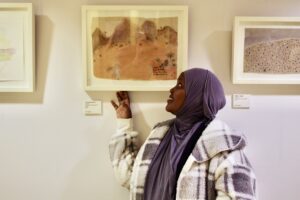
Three public exhibitions showcased the creativity emerging from the units – Bringing the world in, Inverclyde Royal Hospital, Imaginary Journeys, New Victoria Hospital and Sunshine on a Dull Day, Glasgow Royal Infirmary -:
These exhibitions recognised patients as artists, boosted confidence and challenged assumptions about people living with longterm illness.
“The exhibitions were vital in connecting patients with the wider public and recognising them as individuals beyond their illness.” – Robbie McGhee, Art in Hospital
Impact
An independent evaluation published in SRA Abstracts 2024 (“Bringing the world in”) gathered patient and staff perspectives. Four key themes emerged:
Patients reported renewed confidence, motivation and pride in their achievements.
Art turned dialysis from a solitary experience into a shared, social one, strengthening relationships.
Creative activity provided meaningful distraction, easing low mood, fatigue and anxiety.
Art reawakened memories, skills and interests from life before dialysis.
“Many patients were sorry to leave at the end of their treatment.” — Dr Mun Woo
Patients consistently reported feeling calmer, more positive and more in control. Half said they actively looked forward to dialysis sessions during the programme.
Looking Ahead
Art in Renal Care demonstrates how sustained, highquality arts engagement can improve wellbeing, reduce isolation and support identity for people living with longterm illness. AIH is now seeking funding to continue and expand this impactful work across renal settings.
